







Rebel With A Cause – Ryan Sawtelle

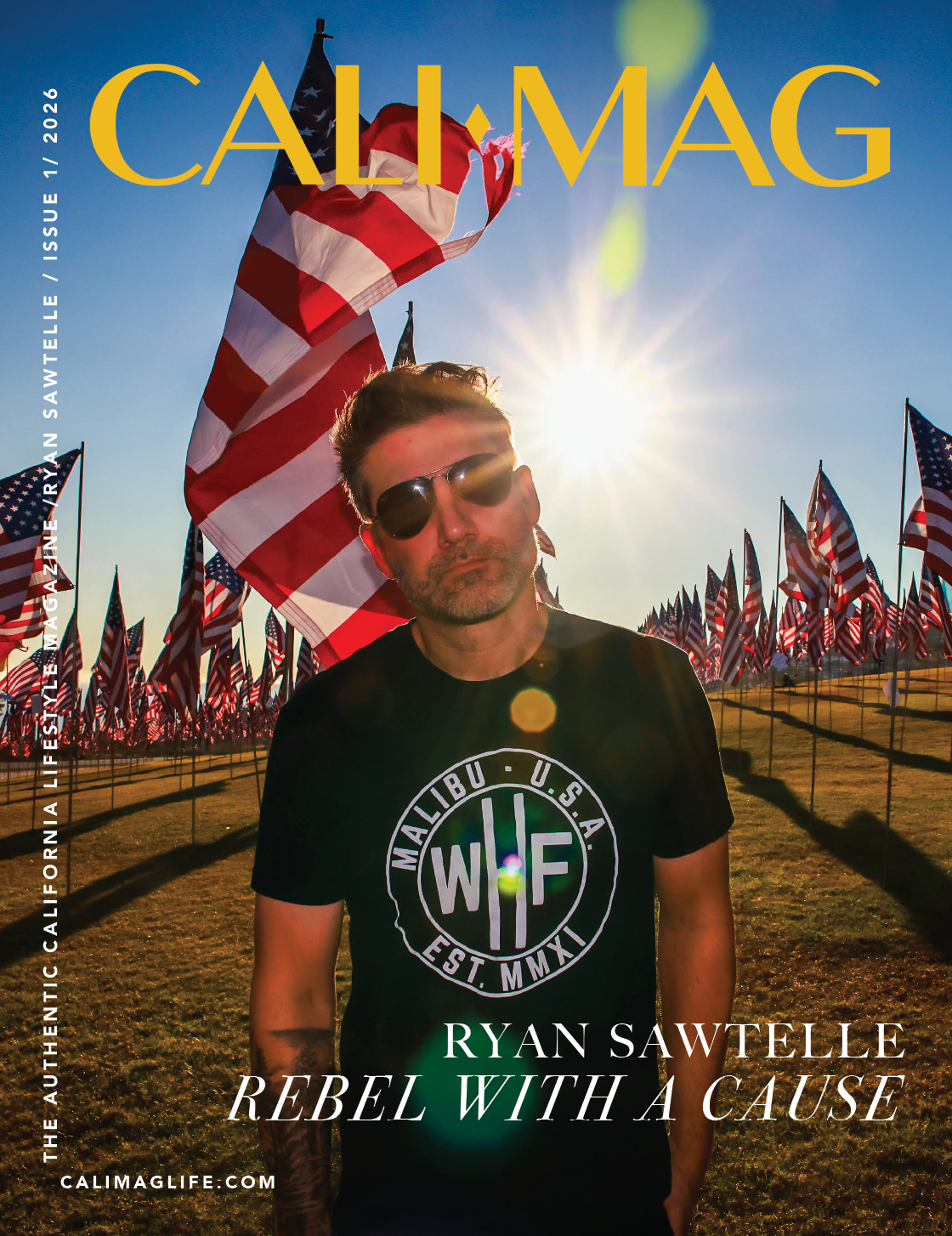

Ryan Sawtelle did not arrive in Los Angeles believing he was about to become a symbol of anything. He arrived believing, like so many before him, that proximity to the entertainment industry might unlock a future that felt expansive, creative, maybe even meaningful. He came with ambition, not ideology. With plans, not a mission. Three weeks later, September 11 reshaped the country, and quietly, almost imperceptibly at first, reshaped him.
For Sawtelle, 9/11 wasn’t a spectacle watched from a distance. It was a rupture that destabilized the idea that success alone could ever be enough. The culture changed. The tone changed. The stakes changed. The city he had just entered, obsessed with image and momentum, suddenly felt fragile. The question became less How do I make it in the entertainment industry? and more How can I make a difference now that I’m here?
That question followed him.
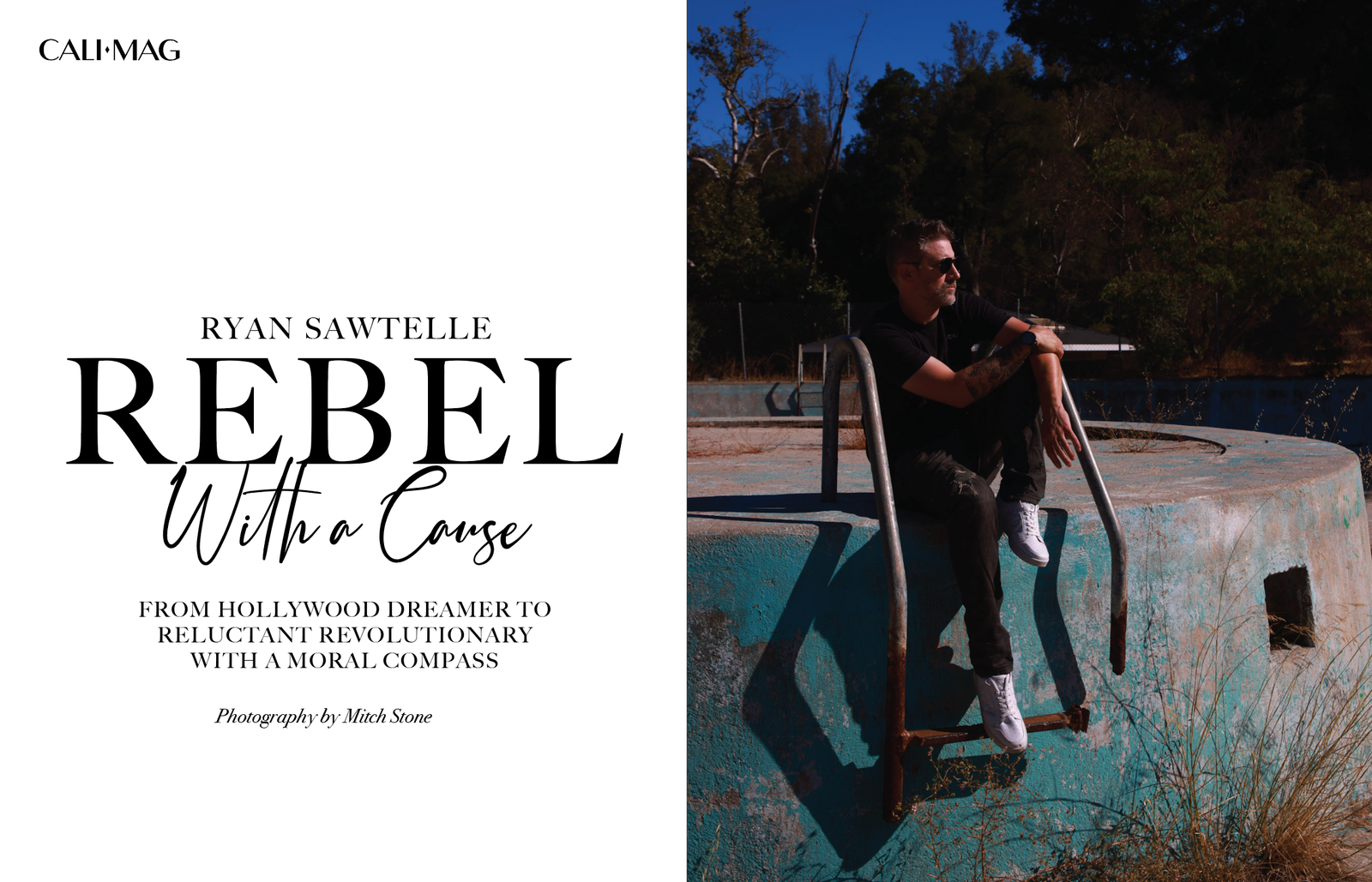
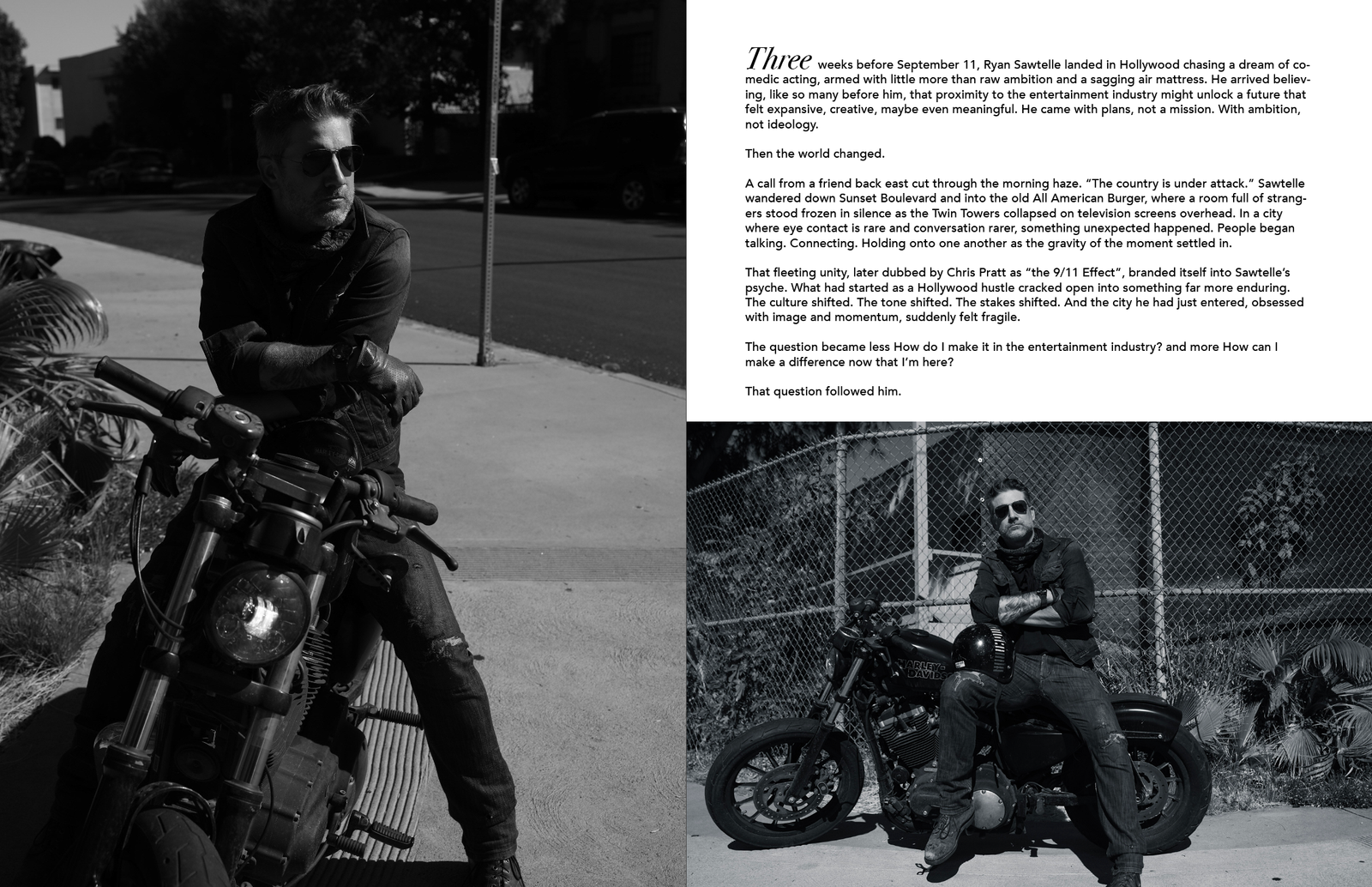
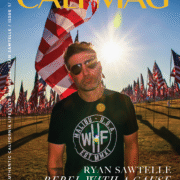
Five years later, as a student at Pepperdine, it crystallized into an idea that would test not only his tolerance for authority, but the institution’s tolerance for discomfort. Sawtelle proposed a massive American flag installation, thousands of flags planted across campus, to honor those lost on September 11. It wasn’t meant to be decorative or ceremonial. It was meant to be immersive. Something you couldn’t drive past or politely acknowledge from a distance. Something that demanded engagement.
The administration responded with familiar caution. There were concerns about liability, optics, logistics, and precedent. “No” came easily. “Yes” came with conditions. Meetings stacked up, each one sanding down the edges of the idea in the name of institutional safety.
In one pivotal meeting, restraint gave way to frustration, not from an alumnus or donor, but from Sawtelle himself. A student on a full scholarship, sitting across from administrators, he told them plainly that it was time to “grow a pair” and decide whether the university actually stood for something beyond polished messaging and managed symbolism. Jake Gross, then a student activities administrator who witnessed the exchange and later documented it publicly, recalls the moment not as recklessness, but as conviction. It wasn’t diplomatic. It wasn’t strategic. It was bold. And coming from a student with something real to lose, it fundamentally reframed the conversation.
Sawtelle didn’t wait for universal approval. He navigated red tape, absorbed skepticism, negotiated compromises, and dealt with the unglamorous mechanics of making something large actually exist. When the Wave of Flags finally took shape, it transformed the campus. What had once been debated as a risk became a physical reality—rows upon rows of flags moving in the wind, solemn without being sanctimonious. Students slowed down. Conversations changed. Remembrance stopped being abstract.
The Wave of Flags quickly outgrew Pepperdine. Images traveled far beyond campus. Families who had lost loved ones at Ground Zero made the journey from the East Coast to Malibu to walk among the flags. Messages arrived from around the world. What began as a student-led act of remembrance became a globally recognized expression of collective memory. Sawtelle had built something enduring, but he wasn’t interested in freezing it as a single moment in time.
Before graduating, he carried that same mix of reverence and defiance into what would become campus legend. Over the course of a week, between midnight and sunrise leading into Easter, Sawtelle climbed into the Pepperdine Theme Tower and rewired the 125-foot structure by hand. New wiring. New lighting. No shortcuts. When the work was finished, the cross illuminated for the first time in its history. There was no press release, no permission, and no safety net. The act wasn’t about spectacle. It was about responsibility—deciding that some symbols remain dark only because no one has been willing to take ownership of them.
That momentum didn’t dissipate. It evolved.
Sawtelle took the energy of the Wave and turned it outward through Ride to the Flags, a charitable motorcycle memorial ride that transforms remembrance into movement by merging patriotism, physical challenge, and community. The effort was not without resistance. Early on, it meant pushing against the City of Malibu, navigating permits, personalities, and bureaucratic hesitation. Over time, opposition gave way to collaboration, and what was once contested became welcomed. Today, the city embraces the event, and the ride stands as proof that persistence can turn friction into partnership.
From there, Sawtelle built forward with intention, leading him to create the White Heart Foundation. The mission expanded beyond symbolism into action—serving injured veterans and first responders, people accustomed to being praised publicly while struggling privately. The foundation focused on tangible support, including a mental health program rooted in eco-therapy and leadership, recognizing that healing requires both restoration and agency.
At the same time, Sawtelle remained active in the entertainment industry, producing television shows, pilots, and documentaries while building nonprofit infrastructure in parallel. He learned to navigate an industry driven by perception while anchoring himself in systems that demanded accountability. Two worlds, one ethic.
What defines Ryan Sawtelle is not simply rebellion, but principle. He is interested in what works, what lasts, what is right, and what is just. In matters of principle, he stands like a rock. That stance has been shaped as much by upbringing as experience. As the son of a plumber, he watched firsthand what it means to do physically demanding work, to carry responsibility in your body, and to be essential while still treated as replaceable. He learned early how systems quietly benefit from labor while avoiding responsibility to the people who provide it.
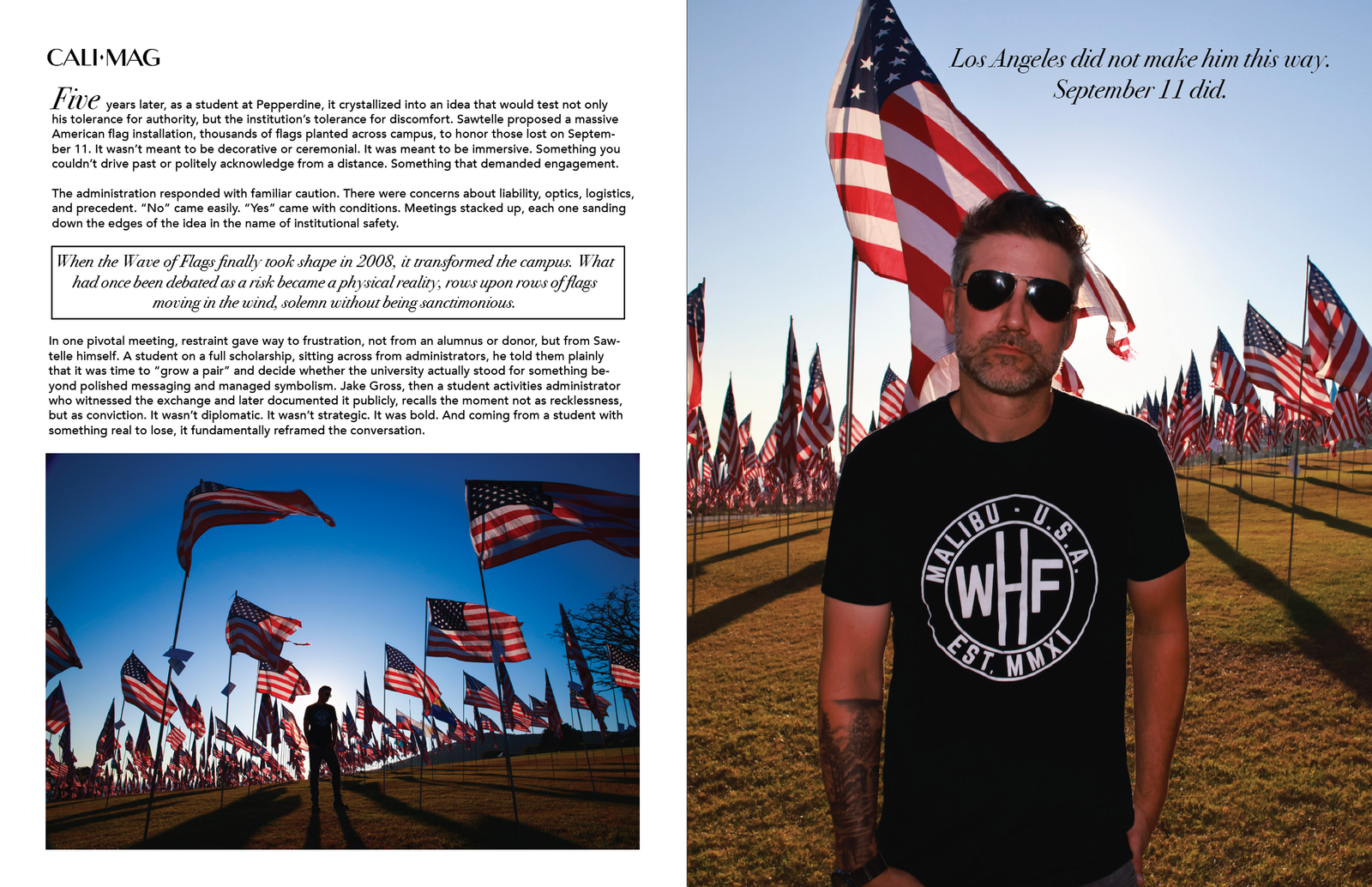
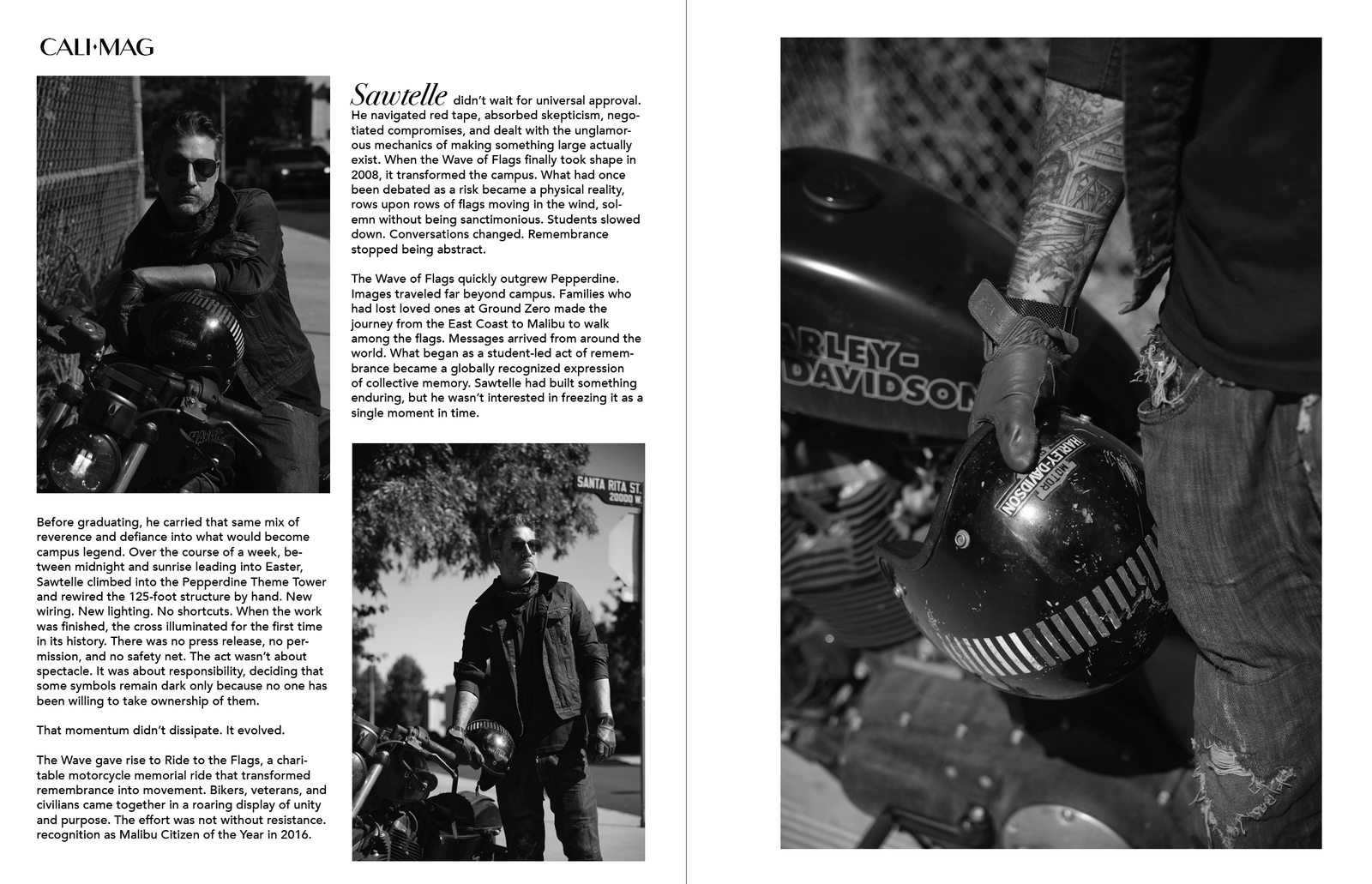
That lesson is resurfacing now. As Sawtelle looks toward the next chapter, he finds himself confronting powerful media institutions, most notably Warner Bros. Discovery, over what he views as a blind-eye approach to how skilled trades are treated on home renovation programs. After watching networks and on-air personalities profit handsomely from contractors’ craftsmanship, only for those same contractors to face payment disputes or prolonged delays—or in some cases not be paid at all—he believes the business model deserves closer scrutiny and higher standards of accountability. Sawtelle is no longer content to look away. If history is any guide, the next phase of his work will once again pit David against Goliath, with the expectation that power eventually answer to principle.
Ryan Sawtelle is not a rebel for rebellion’s sake. He is a builder who refuses to accept injustice as the cost of order. He challenges systems not to burn them down, but to demand they live up to their stated values. He breaks rules when they obstruct what is right, then stays long enough to build something better in their place.
Los Angeles did not make him this way. 9/11 did.
What followed has been a series of choices, plant the flags, light the cross, ride forward, build the foundation, tell the truth, each one reinforcing the same belief: meaning is not discovered. It is constructed. Carefully. Relentlessly. With consequences.
And if history is any indication, the rebellion is far from over.
What's Your Reaction?